
Industries across construction, agriculture, marine, and mobile equipment are rapidly shifting toward electric solutions. One of the most noticeable changes is the replacement of traditional fuel-powered engines—especially Honda engines—with advanced PMSM motors (Permanent Magnet Synchronous Motors).
This transition is not just a trend. It is driven by real benefits such as reduced operating costs, improved efficiency, and lower maintenance. If your equipment still relies on fuel-based systems, it may be time to consider a smarter alternative.
Looking for a reliable electric replacement?
Explore our advanced PMSM motors designed for industrial applications.
Innotec Power PMSM Motor | Honda Engine Model Number |
GX160 | |
GX200 | |
GX200 | |
GX200 | |
GX270 | |
GX270 | |
GX390 | |
GX390 |
What Is a PMSM Motor?
A PMSM motor, also known as a PM AC motor or PM synchronous motor, is a high-efficiency electric motor that uses permanent magnets to generate motion.
Unlike conventional engines, PMSM motors:
- Do not require fuel
- Offer higher efficiency
- Deliver instant torque
- Provide precise speed control
These motors are widely used in modern applications such as electric vehicles, industrial machines, and auxiliary power systems
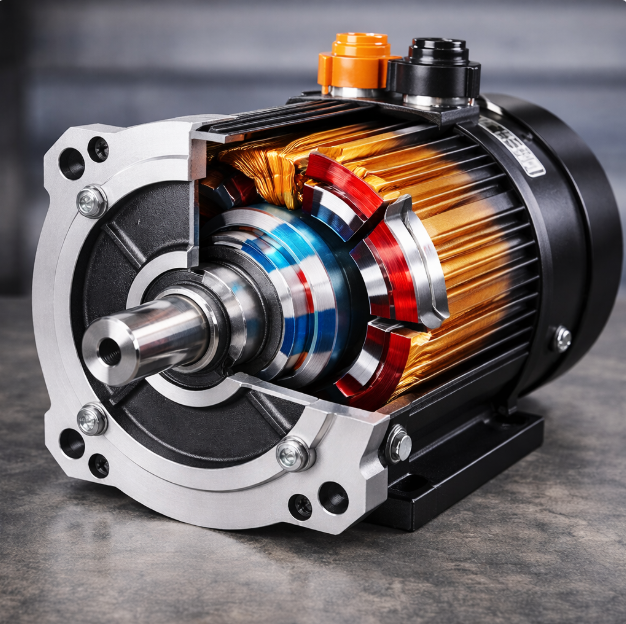
Honda Engines vs PMSM Motors: Key Differences
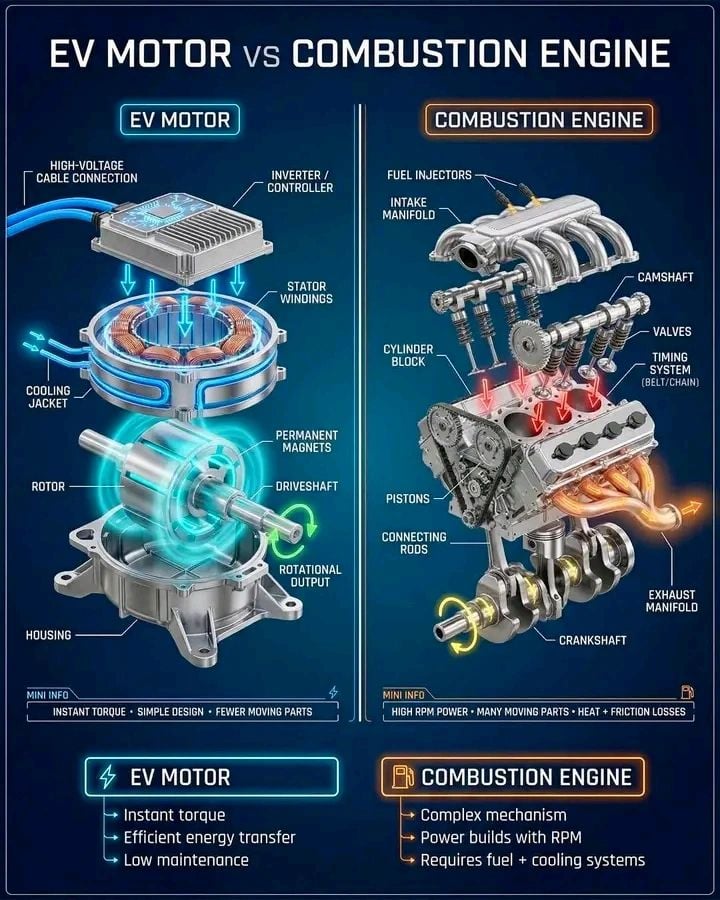
Traditional Honda engines have been widely used due to their reliability. However, they come with several limitations when compared to modern electric motors.
- Fuel Dependency vs Zero Fuel Operation
Honda engines require petrol or diesel to operate. This means continuous fuel costs, storage requirements, and emissions.
In contrast, a PMSM electric motor runs on electricity, eliminating fuel dependency. This leads to:
- Lower operational costs
- No fuel logistics
- Reduced environmental impact
- High Maintenance vs Low Maintenance
Fuel-powered engines involve multiple moving parts, such as:
- Pistons
- Filters
- Oil systems
This increases maintenance frequency and cost.
A permanent magnet motor has a simpler design with fewer moving parts, resulting in:
- Minimal wear and tear
- No oil changes
- Reduced downtime
- Noise and Emissions vs Clean Operation
Honda engines produce:
- Noise pollution
- Exhaust emissions
On the other hand, brushless electric motors (BLDC motors / PMSM motors) operate:
- Quietly
- Without emissions
This makes them ideal for indoor and environmentally sensitive applications.
- Delayed Response vs Instant Torque
Fuel engines take time to build up power.
A PMSM motor delivers:
- Instant torque
- Smooth acceleration
- Better control
This is especially beneficial in applications like cranes, pumps, and mobile machinery.
Real-World Application: Replacing Honda Engine with Electric Motor
In many industries, Honda engines are used in:
- Construction equipment
- Portable machinery
- Hydraulic systems
- Pumps and compressors
Now, these same applications are being upgraded with PMSM electric motors.
Example Transformation
Before:
- Honda engine mounted on a machine
- Fuel tank required
- High noise and vibration
After:
- Compact PM AC motor installed
- No fuel system needed
- Smooth and silent operation
This simple replacement results in:
- Improved efficiency
- Reduced operational cost
- Better user experience
Key Benefits of Replacing Honda Engines
- Cost Savings Over Time
While the initial investment in an electric motor may be higher, the long-term savings are significant:
- No fuel cost
- Lower maintenance expenses
- Reduced downtime
- Compact and Lightweight Design
Modern PMSM electric motors are designed to be:
- Smaller in size
- Lightweight
- Easy to integrate
This makes them ideal for mobile and compact equipment.
- Better Efficiency and Performance
A PM synchronous motor offers higher efficiency compared to traditional engines. This means:
- More output with less energy
- Consistent performance
- Improved productivity
- Sustainability and Future Readiness
With increasing focus on sustainability, industries are moving toward cleaner solutions.
Replacing Honda engines with electric motors helps:
- Reduce carbon footprint
- Meet environmental regulations
- Future-proof your equipment
Where Can You Use PMSM Motors?
The replacement of fuel engines with PMSM motors is already happening in multiple industries:
- Drilling machines
- Cranes
- Concrete equipment
- Irrigation pumps
- Harvesting machines
- Winches
- Auxiliary power systems
- Pumps and compressors
- Loaders
- Excavators
- Mining trucks
- Buses
- Cargo vehicles
- Utility trucks
Why Industries Are Making the Shift Now
Several factors are driving this transition:
- Rising fuel prices
- Increasing maintenance costs
- Strict emission regulations
- Demand for efficient and reliable systems
Electric solutions like PMSM motors address all these challenges effectively.
Is It Easy to Replace a Honda Engine?
Yes, in most cases, replacing a Honda engine with a PM AC motor is straightforward.
With proper system design, you can:
- Match required power and torque
- Integrate with existing systems
- Improve overall performance
Working with an experienced manufacturer like Innotec Power ensures a smooth transition.
Conclusion
The shift from Honda engines to PMSM electric motors is no longer optional—it is a strategic move toward efficiency, sustainability, and cost savings.
By replacing traditional fuel-based systems with advanced electric motors, industries can:
- Reduce operating costs
- Improve performance
- Minimise environmental impact
If you are still using fuel-powered engines, now is the time to upgrade.