
When it comes to power and control, low RPM motors are the go-to choice in many industries. These motors are known for their high torque at slow speeds, making them perfect for applications where precision and reliability matter most.
What is a Low RPM Electric Motor?
A low RPM electric motor is designed to rotate at slower speeds, typically below 1000 RPM. This slower speed allows the motor to deliver more torque, which means it can move heavier loads without needing high speed. Unlike regular motors, a high torque low RPM motor works efficiently even at lower rotations, ensuring consistent performance without overheating.
Why Choose a High Torque Low RPM Electric Motor?
There are many reasons to pick a high torque low RPM electric motor:
More control: These motors offer smoother motion, which is ideal for delicate tasks.
Less noise: The slower speed helps in reducing vibrations and noise.
Energy efficient: Operating at lower speeds means less energy waste.
Better lifespan: Reduced wear and tear leads to longer service life.
Whether you call it a motor high torque low RPM or a variable speed electric motor low RPM, the advantages remain the same.
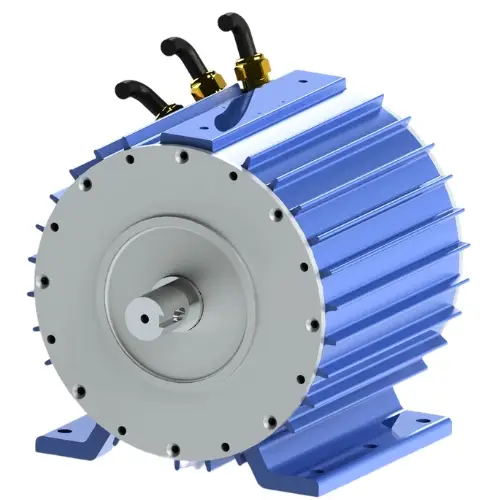
Low-speed models: 35 rpm to 450 rpm
Direct drive only works if the motor genuinely turns slowly at useful torque. These are the lowest rated speeds Innotec publishes, across every DC bus — 360-BEZS48-050 turns at 35 rpm and holds 543 Nm continuously, which is what lets a drive delete its gearbox rather than shrink it.
| Bus | Model | Continuous | Continuous torque | Rated speed | Rotor |
|---|---|---|---|---|---|
| 48V | 360-BEZS48-050 | 2 kW | 543.4 Nm | 35 rpm | SPM |
| 24V | 360-GZS24-040 | 0.7 kW | 152.1 Nm | 45 rpm | SPM |
| 48V | 360-AZZS48-065 | 3 kW | 212 Nm | 150 rpm | SPM |
| 48V | 360-AEZS48-100 | 5 kW | 326 Nm | 150 rpm | SPM |
| 96V | 255-AZZS96-012 | 0.9 kW | 47 Nm | 180 rpm | SPM |
| 96V | 255-AAES96-012 | 1 kW | 55 Nm | 180 rpm | SPM |
| 48V | 360-AZZS48-100 | 4.5 kW | 217.3 Nm | 200 rpm | SPM |
| 96V | 255-AEZS96-018 | 1.7 kW | 70.8 Nm | 230 rpm | SPM |
| 24V | 145-AZZS24-012 | 0.2 kW | 9.4 Nm | 260 rpm | SPM |
| 24V | 145-FZS24-008 | 0.1 kW | 5.7 Nm | 290 rpm | SPM |
| 48V | 360-AEZS48-200 | 10 kW | 326 Nm | 300 rpm | SPM |
| 48V | 360-AZZS48-200 | 10 kW | 217.5 Nm | 450 rpm | SPM |
| 48V | 360-HCS48-200 | 9 kW | 180.3 Nm | 500 rpm | SPM |
| 48V | 255-AHZS48-125 | 6 kW | 87.4 Nm | 650 rpm | SPM |
Torque at low speed is a thermal problem, not a magnetic one: the motor is producing full current with very little airflow, so the continuous rating matters far more here than it does at 3,000 rpm. Every model above is published with continuous, 60-minute and 15-minute ratings so the duty cycle can be checked properly. The full PMSM range runs to 565 V and 912 Nm.
Applications of Low RPM Motors
Low RPM motors are widely used in:
Food processing machines
Conveyors and assembly lines
Mixers and agitators
Medical devices
Solar tracking systems
Marine and agriculture equipment
Each application requires a motor that provides both torque and control without compromising safety or efficiency.
Speed Control and Flexibility
With the growing demand for customized solutions, a low-RPM motor with speed control is more popular than ever. These motors let you adjust the speed as per your need, making them suitable for variable load conditions. A variable speed, low RPM motor can reduce power consumption while still delivering reliable torque.
For those looking at DC-powered solutions, a low RPM DC motor brings compact design, efficient torque, and better control in battery-operated or mobile systems.
Final Thoughts
If you need steady power, smooth speed control, and maximum torque, low-RPM motors are the ideal solution. From industrial use to custom applications, these motors bring reliability and performance together.
Whether you are looking for electric motor low RPM options or need a variable speed low RPM motor, the right choice will enhance your system’s overall performance.